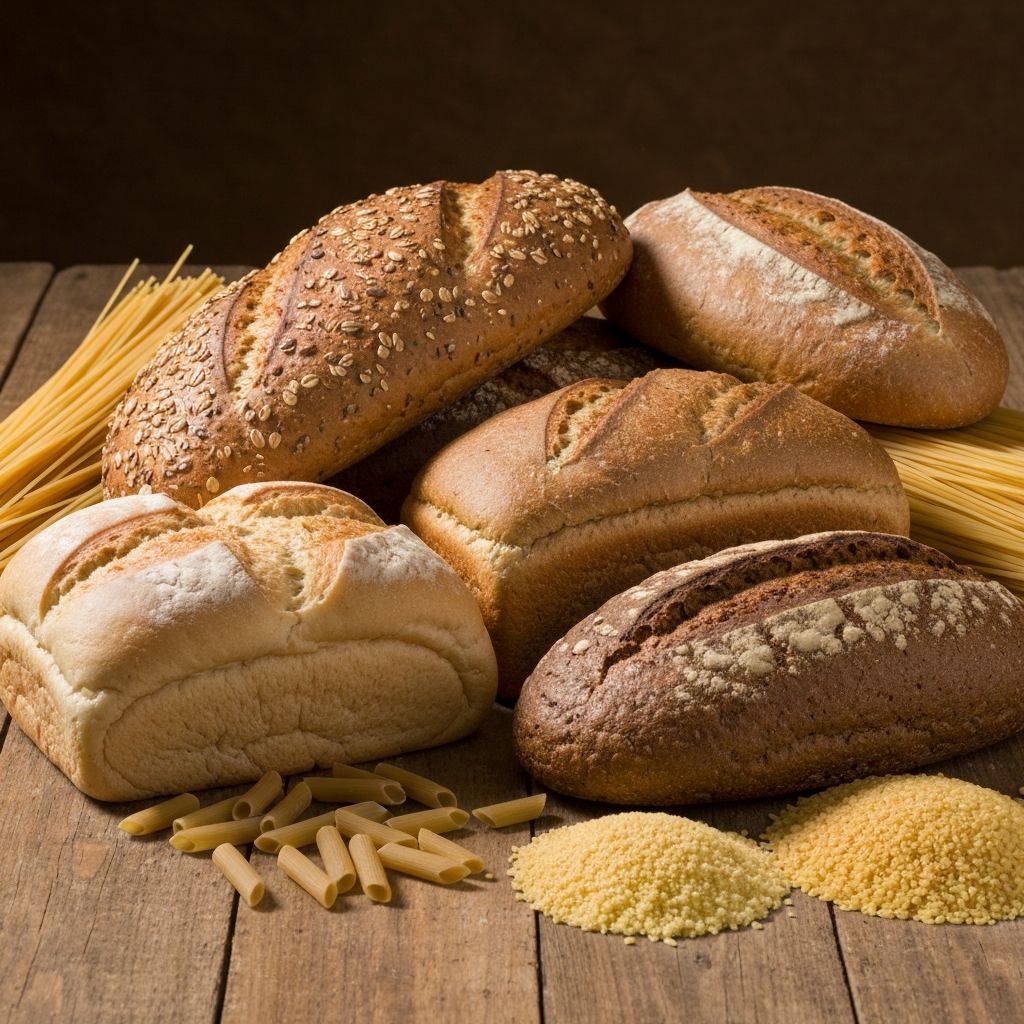
Grain Cultivation in Mediterranean Regions
Wheat and other grains have been cultivated in Mediterranean regions for thousands of years. The Mediterranean climate supports grain farming, and wheat cultivation became central to food systems across the region. Grains provided reliable carbohydrate sources and were storable for extended periods, making them economically important.
Historical grain production shaped settlement patterns, trade routes, and social structures across Mediterranean societies. Control of grain supplies influenced political and economic power in Mediterranean city-states and empires.
Bread Traditions
Bread occupies a central place in Mediterranean food culture. The production and consumption of bread varied by region, with different areas developing distinctive bread-making traditions. Bread was not just a staple carbohydrate but held cultural and social significance in Mediterranean communities.
Traditional bread-making practices involved slow fermentation and specific techniques that developed over generations. Different regions produced breads with distinct characteristics based on local grains, water, and baking methods.
Pasta and Pasta Products
Pasta became a significant grain product in Mediterranean cuisines, particularly in Italy. The development of pasta production and consumption patterns reflects both agricultural production and cultural food traditions. Different pasta shapes and preparations emerged in different regions and time periods.
Nutritional Composition of Whole Grains
Whole grains contain carbohydrates as their primary macronutrient, typically 45-50% of weight. They also provide protein (8-14%), dietary fiber, B vitamins including folate, and minerals such as magnesium. The fiber content distinguishes whole grains from refined grain products.
Grain-Based Meals
In traditional Mediterranean diets, grains formed the foundation of meals. Bread served alongside other foods, pasta appeared in soups or with vegetable-based sauces, and grain-based dishes provided the carbohydrate base for complete meals. The preparation of grains often involved combining them with vegetables, legumes, or other foods.
Modern Grain Consumption
Whole grain breads and pasta products remain widely available and are increasingly marketed for their nutritional qualities. In the UK, whole grain products are readily available in supermarkets and specialty shops, supporting contemporary interest in grain-based Mediterranean-style eating.
Cultural Importance
The significance of bread and grain products in Mediterranean culture extends beyond nutrition. Bread-baking represented important skills, communal social events, and cultural identity. The relationship between people and grain cultivation shaped Mediterranean societies historically.
Conclusion
Whole grains represent a fundamental element of Mediterranean food systems, providing essential nutrition and carrying deep cultural significance. Understanding grain traditions provides insight into the broader food culture of Mediterranean regions.