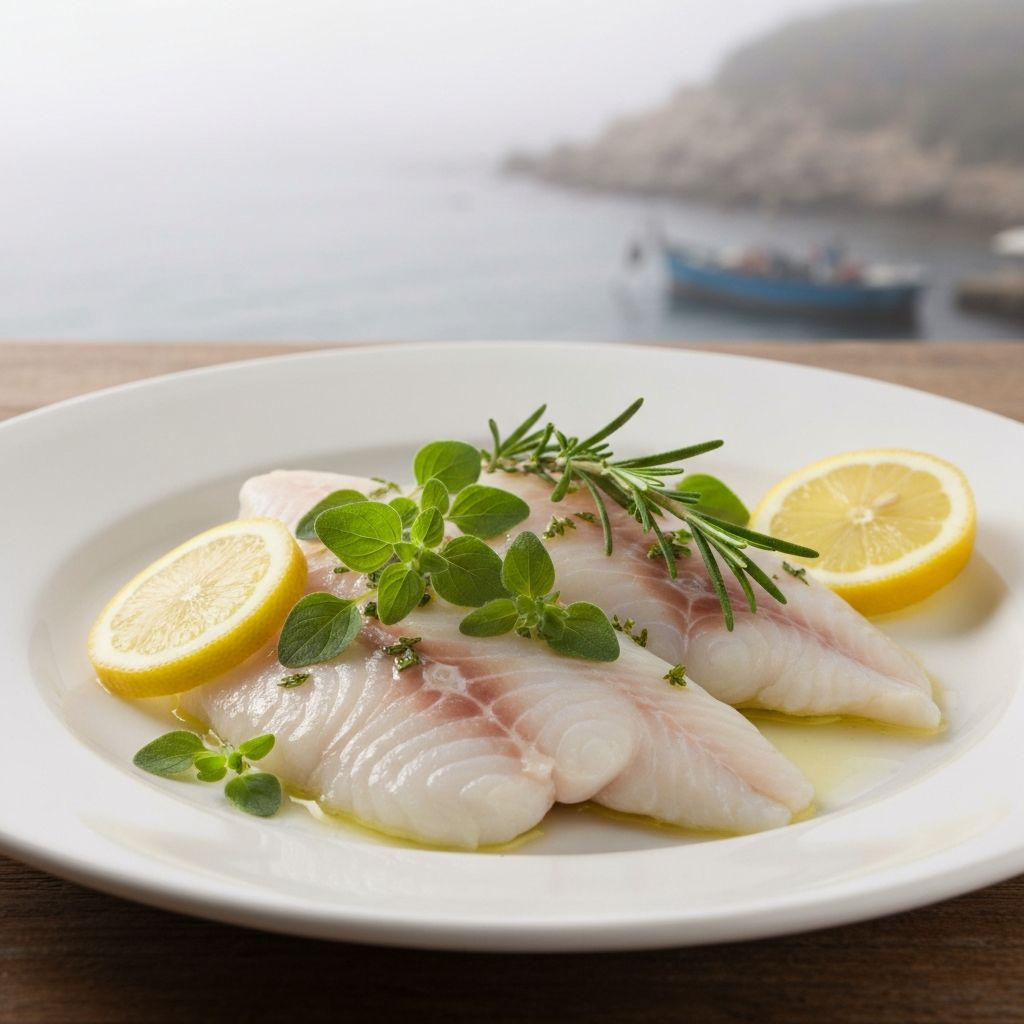
Geographic Influence on Fish Consumption
The Mediterranean Sea provided abundant fish and seafood resources for coastal populations throughout history. The geography of Mediterranean regions—with extensive coastlines and fishing communities—meant that fresh fish was often more available and affordable than meat for ordinary people. This geographic reality shaped the prominence of fish in traditional Mediterranean diets.
Different Mediterranean regions developed distinct fishing practices and preferences. Fishing techniques evolved over centuries, reflecting both technological advancement and accumulated knowledge about fish species, seasons, and sustainable harvesting.
Traditional Fish Species
Various fish species have been traditionally caught and consumed in Mediterranean waters. These include sardines, anchovies, mackerel, and other oily fish varieties. Different regions specialized in catching specific species based on local waters and fishing expertise. The seasonal availability of different fish species also influenced consumption patterns.
Preserved fish—salted, dried, or otherwise prepared for storage—became important trade goods and provided protein sources during seasons when fresh catch was less available.
Nutritional Composition
Fish, particularly oily varieties, contain substantial amounts of protein, typically 15-25% in cooked fish. They also provide omega-3 polyunsaturated fatty acids, vitamin D, selenium, and other micronutrients. These nutritional characteristics made fish an important protein source in traditional Mediterranean diets.
The fatty acid profile of fish differs from other protein sources and is recognized in nutritional discussions about Mediterranean food patterns.
Fishing as Cultural Practice
Fishing was not merely an economic activity but a central cultural practice in Mediterranean coastal communities. Knowledge about fishing—where, when, and how to catch fish—was transmitted through generations. Fishing communities developed strong cultural identities around their practices and products.
Preparation Methods
Traditional Mediterranean preparation methods for fish include grilling, simple pan-cooking with olive oil, baking, and preparation in stews and soups. Preparation methods often emphasized the natural qualities of fresh fish rather than heavy sauces or complex processing.
Modern Fish Consumption
Fish remains important in Mediterranean food culture. While modern supply chains differ from historical fishing practices, fresh and preserved fish remain widely available. In the UK, both Mediterranean fish species and locally caught fish are available for purchase, supporting continued engagement with fish-based cooking traditions.
Conclusion
Fish's role in Mediterranean food traditions reflects the geography, economic conditions, and cultural practices of coastal Mediterranean communities. Understanding this historical context provides perspective on the significance of seafood in traditional Mediterranean eating patterns.